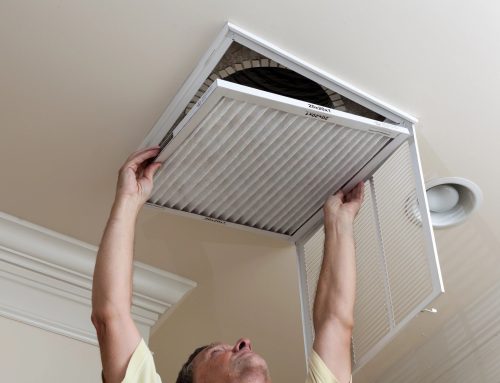

Getting your heating system ready for a Texas winter isn’t complicated, but ignoring it will cost you. A bit of basic upkeep keeps the warm air steady, lowers stress on your equipment, and prevents your heater from choking on dust or blocked airflow when the temperatures finally drop.
Why You Should Prep Before the Cold Hits
Texas weather may flip between warm and cold in a single day, but when a real cold front settles in, your heater has to perform. If it’s fighting dirt, bad airflow, or worn parts, it uses more power and delivers less comfort. Even mild winters don’t stop dust from piling up or parts from aging, so winter prep matters no matter how often you run the heat.
Start With a Clean Filter
If you only do one thing, do this. A clean filter:
-
lets air move easily
-
keeps dust out of the internal components
-
helps the system warm the house quicker
-
prevents unnecessary strain
In winter, change it about every month or so. More often if you’ve got pets or allergies.
Make Sure Air Can Move
Blocked vents are one of the biggest reasons heating feels weak. Take a few minutes and make sure vents and returns aren’t covered by furniture, rugs, decorations, storage tubs, or holiday clutter. Your system can’t heat what it can’t reach.
Check the Thermostat Before You Need It
Give the thermostat a simple once-over:
-
switch it to heat
-
update the schedule
-
replace batteries if they’re low
-
choose a temperature you can live with
Most homes stay comfortable around the upper 60s during the day. If you use a smart thermostat, let it handle warm-ups before you wake and cool-downs at night.
Don’t Ignore the Outdoor Unit
The outside part of your system still needs room to breathe in the winter. Clear away leaves, debris, and overgrown plants. Anything crowding the unit forces it to work harder.
Look for Leaks in the Ducts
A surprising amount of warm air can escape into the attic if your ducts aren’t sealed well. Check for loose joints, gaps, or peeling tape. If something looks off, let an HVAC tech handle it — sealing ducts properly makes a big difference in comfort and cost.
Put Ceiling Fans to Work
Switch your ceiling fans to spin gently clockwise. This pushes warm air off the ceiling and back toward you, so you stay comfortable without hiking up the thermostat.
Use Your Home’s Layout Wisely
Small habits help the system do its job:
-
open curtains on sunny windows during the day
-
close them after dark to keep the heat inside
-
leave doors open so air can circulate
-
shut off unused rooms if you want to focus heat
When a Professional Tune Up Makes Sense
A seasonal check is a good safety net. A technician can clean internal parts, inspect electrical components, verify heat sources, and make sure everything is ready for colder weather. It’s a simple way to avoid mid-season surprises.
Quick Winter Prep List
-
Replace the air filter
-
Clear vents and returns
-
Review thermostat settings
-
Clean around the outdoor unit
-
Check for duct leaks
-
Use ceiling fans on low, clockwise
-
Manage curtains and room airflow
-
Schedule a tune up if needed
The Bottom Line
A heater that isn’t fighting dust or blocked airflow performs better, warms your home more evenly, and costs less to run. A little effort now keeps things comfortable every time the temperature takes a dive.